

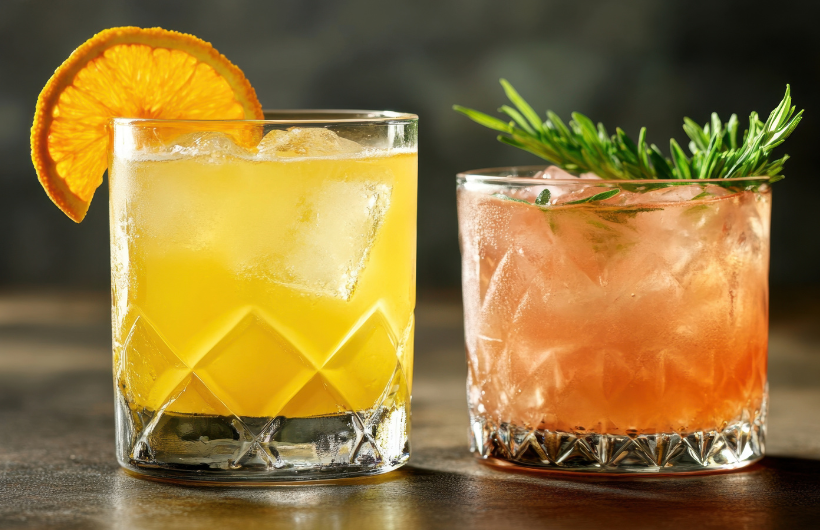
In recent years, the beverage industry has undergone a major transformation, driven by changing consumer preferences, the demand for convenience, and the global shift toward premium and experience-led drinking. Among the fastest-growing categories, Ready-to-Drink (RTD) cocktails have emerged as clear game-changers, challenging beer’s long-standing dominance in both market share and consumer loyalty.
As we move into 2025, the question is no longer whether RTDs are here to stay, but whether they are ready to outshine beer in relevance, market growth, and profitability. For brands, manufacturers, and co-packers, this evolution marks a defining era, one where creativity meets convenience and innovation meets indulgence.
The Consumer Shift: Premium Drinking Experience with Convenience
Today’s consumers expect more than refreshment — they want flavour depth, authenticity, and quality ingredients. RTD cocktails deliver just that: bar-quality blends that are ready to pour and enjoy anywhere. With a range of flavours, from classic Mojitos and Margaritas to botanical infusions and low-calorie options, RTDs are reshaping modern social drinking.
Millennials and Gen Z are at the heart of this shift. They prefer curated, high-quality drinks over mass-market products, choosing beverages that reflect lifestyle and wellness priorities. Beer, once the default social drink, is struggling to stay relevant in this changing landscape.
The Market Momentum: Growth That’s Hard to Ignore
The global RTD cocktail market continues to grow at a remarkable pace, posting double-digit gains across key regions. Experts predict that by 2025, RTDs will surpass traditional beer in several markets, particularly in cities and travel retail channels.
While beer faces saturation and limited innovation space, RTDs thrive on flexibility and variety, including low-alcohol, functional, and even alcohol-free variants. This adaptability aligns perfectly with evolving consumer trends and retail demands, giving manufacturers greater room to innovate and expand.
Manufacturing Edge: Innovation Backed by Efficiency
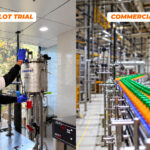
From a production perspective, RTDs represent a modern blend of technology, precision, and scalable automation. Manufacturers, like those supported by beverage co-packers in India, are embracing advanced systems, from precision batching and aseptic filling to intelligent packaging, ensuring consistent quality and long shelf life.
This balance between innovation and process control allows brands to experiment with new flavours, natural ingredients, and eco-friendly packaging, while still maintaining compliance and operational efficiency. In contrast, beer manufacturing, though mature, often faces rigidity in innovation and limited SKU diversity.
Beyond the Drink: A Lifestyle Experience
The success of RTD cocktails isn’t only about what’s inside the can, it’s about the lifestyle they represent. Sleek, portable, and design-led, these beverages have become lifestyle statements, perfect for outdoor gatherings, gifting, or at-home celebrations.
This gives brands new ways to connect emotionally with consumers through storytelling, design, and product experience. Beer, despite its cultural roots, hasn’t evolved as dynamically in terms of narrative or product positioning.
The Future: Innovation Over Competition
The rise of RTD cocktails doesn’t necessarily replace beer, it redefines the landscape. Both categories will coexist, catering to different moods and audiences. However, RTDs are clearly leading the charge when it comes to innovation budgets, creative marketing, and collaborative beverage product development.
For beverage innovators and R&D teams, now is the time to invest in pilot systems, flexible formulation processes, and agile co-manufacturing models. Those who adapt early will be the ones to shape the beverage trends of tomorrow.
As 2025 unfolds, RTD cocktails aren’t just a passing trend, they’re a defining category for the future of beverages. By combining convenience, craftsmanship, and creativity, they are reshaping how people drink and how brands build experiences around their products.
For Organicobeverages, this transformation is more than an opportunity, it’s a commitment. A commitment to support beverage creators in developing, testing, and scaling next-generation RTD concepts that meet the evolving expectations of modern consumers. Because the future of beverages isn’t just about what you drink, it’s about how you experience it.