

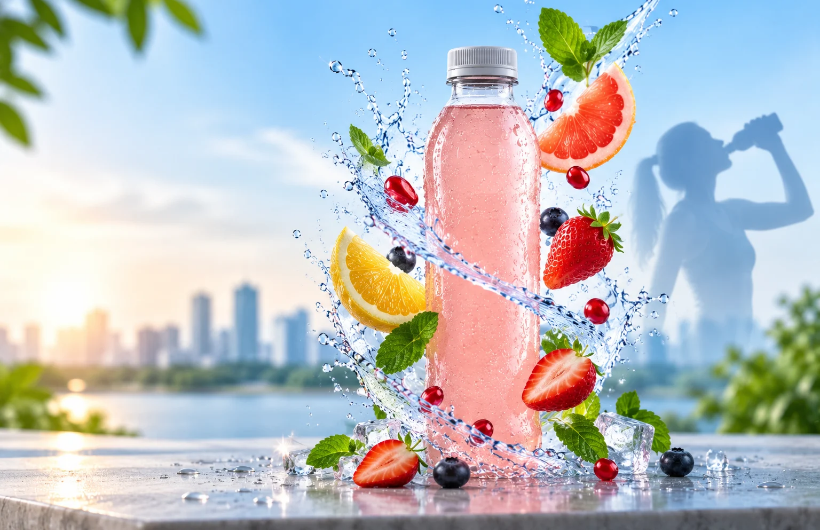
Hydration is no longer just about drinking enough water—it is becoming an experience. As consumers move beyond plain water and traditional sports drinks, flavour has emerged as a powerful differentiator in the rapidly evolving hydration beverage category. From refreshing fruit profiles to botanical blends and functional flavour combinations, brands are using innovation to make hydration more appealing, memorable, and relevant to changing consumer preferences.
Moving Beyond Traditional Flavours
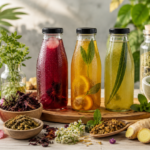
The modern hydration consumer expects more variety. Classic lemon, orange, and berry flavours continue to have broad appeal, but newer combinations such as watermelon-mint, cucumber-lime, yuzu, tropical citrus, and berry-herbal blends are creating fresh opportunities.
Flavour innovation allows brands to build distinctive products without relying solely on formulation changes. A carefully developed flavour profile can influence first impressions, repeat purchases, and how consumers perceive the overall product.
Balancing Flavour with Functionality
Hydration beverages often contain electrolytes, minerals, vitamins, amino acids, or other functional ingredients. While these ingredients can support the product’s positioning, they may introduce bitterness, acidity, saltiness, or other challenging taste characteristics.
This is where Beverage Procduct Development becomes critical. Product developers need to balance functional ingredients with sweetness, acidity, aroma, mouthfeel, and flavour intensity to create a beverage that delivers both functionality and consumer appeal.
The objective is not simply to add a flavour but to develop a complete sensory experience that remains consistent from the first sip to the last.
The Role of Lab Trials
Before a hydration beverage reaches commercial production, multiple formulations may need to be evaluated. Lab trials enable brands to test different flavour systems, ingredient combinations, sweetness levels, acidity, and processing conditions at a smaller scale.
These trials help identify the most promising formulation while allowing technical teams to make adjustments efficiently. Sensory evaluation can then provide valuable insights into flavour acceptance, aftertaste, aroma, and overall drinkability.
From Concept to Commercial Production
Flavour innovation must also translate effectively to large-scale manufacturing. A flavour that performs well at laboratory scale may require further optimisation when production volumes, processing conditions, and shelf-life requirements change.
For brands looking to scale efficiently, Co-Packing can provide access to production capabilities without requiring immediate investment in dedicated manufacturing infrastructure. This can support product launches, market testing, and expansion into new hydration formats.
Creating the Next Generation of Hydration
The future of hydration beverages will be shaped by products that combine functionality with distinctive sensory experiences. Flavour innovation gives brands an opportunity to move beyond basic hydration and create beverages consumers actively choose.
For manufacturers and emerging beverage brands, investing in formulation expertise, Lab trials, and scalable production capabilities can turn an innovative flavour concept into a commercially viable hydration product.